Walking into a busy floor in Melbourne on a Saturday arvo, it’s defo worth watching how players behave before you drop coins on the wheel. Roulette etiquette isn’t just manners; it’s a practical way to keep your bankroll predictable and avoid friction with dealers and other punters. The right posture at the table matters as much as the odds, especially when you’re balancing casual play with a disciplined budget.
A quick note on where to look for ongoing value after the welcome offer: some venues and digital operators keep players engaged with recurring promos, cashback, loyalty tiers, and tournaments, though the specifics vary widely and nothing is guaranteed. If you’re comparing options, a pokies net australia payid withdrawal bonus can be a useful benchmark for payment speed and payout transparency, but always read the fine print on wagering and expiry. [own; anchor=”pokies net australia payid withdrawal bonus”] Как выбрать удобное казино для игры
Over time, the most sustainable approach is to prioritize platforms that demonstrate consistent reliability rather than chasing short-term incentives. Players should verify that any pokies net australia payid withdrawal bonus aligns with their gameplay habits and doesn’t impose restrictive conditions. For a broader overview of how different operators handle these transactions, you can visit pokies net australia payid withdrawal bonus to compare current standards.
How the Table Actually Works When Money’s on the Mat
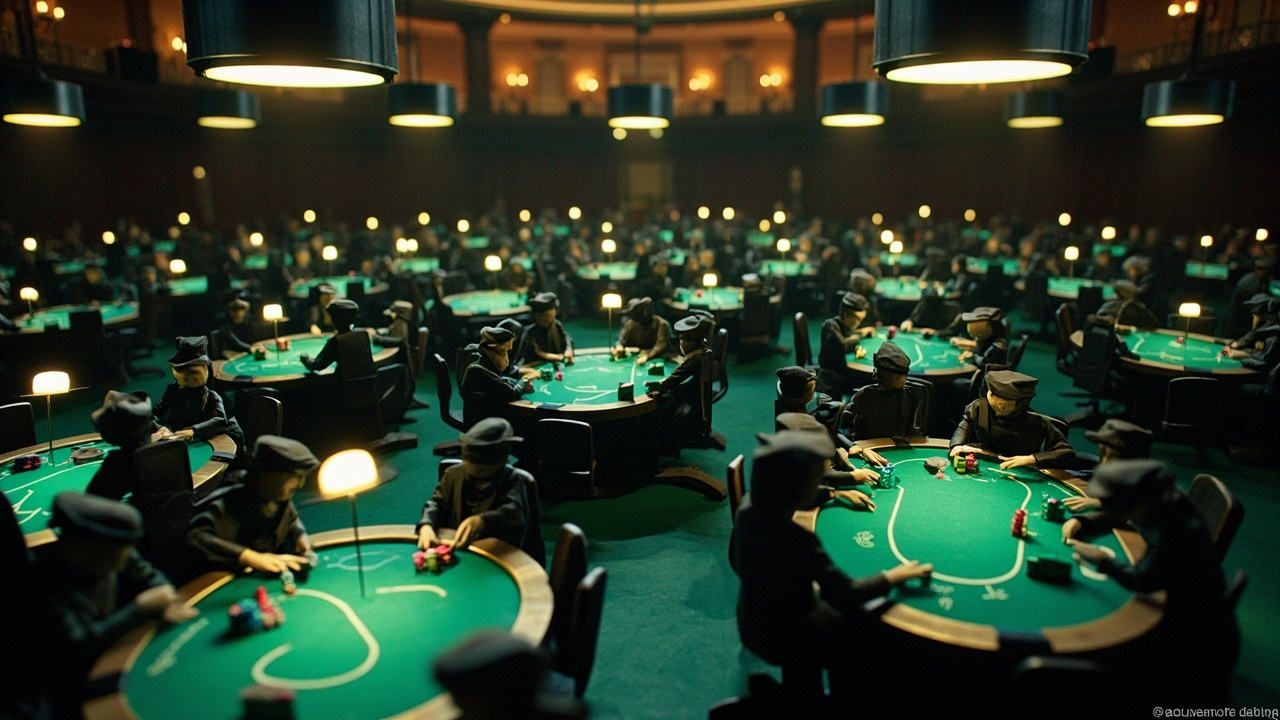
Roulette etiquette starts with the layout: you place chips on the felt before the dealer closes the round, and you don’t touch bets once the ball is in play. That sounds obvious, but I’ve seen newcomers slide chips mid-spin and trigger a dispute that slows the whole table. As a lawyer who’s spent years on wagering regulation and governance, I’d compare it to a compliance checklist: clear rules, consistent timing, and no improvisation when the round is live. The trade-off is real – strict etiquette keeps the game moving, but it also means you can’t second-guess a bet once the dealer calls “no more bets.” For an ordinary Australian reader, that discipline matters in everyday life: if you’re treating a night out like a budgeted entertainment expense, knowing when you can and can’t adjust your stake helps you avoid impulse pushes that blow past your limit. The upside is a calmer session; the limit is that etiquette won’t improve the wheel’s maths, so it’s a behaviour tool, not an edge.
Chips, Colours, and the Small Courtesy That Keeps the Round Moving
Table chips are usually colour-coded and denomination-specific, and roulette etiquette means you don’t mix your stack with someone else’s without asking. Dealers rely on visual clarity, so stacking your chips neatly and keeping them within your marked area is part of the deal. From a privacy and governance angle, I’d flag that clear hand-to-dealer communication reduces errors and disputes, which is why well-run floors train staff on consistent chip handling and bet verification. The strength here is speed and fewer mistakes; the condition is that you still need to confirm payouts before you re-bet, because a fast table isn’t a forgiving one. If you’re playing on a mobile device instead, the same clarity applies to interface cues and bet confirmation screens, and it’s worth reading a short guide on how to choose a convenient casino for playing slots on your phone before you commit to any app. [neighbour] The trade-off is that digital convenience can blur the line between quick taps and considered bets, so the courtesy of pausing to verify still pays off.
| Etiquette Point | What It Means at the Table | Practical Effect |
|---|---|---|
| Bet timing | Place chips before the dealer closes the round | Fewer disputes, smoother pace |
| Chip clarity | Keep your stack marked and separate | Faster payouts, less confusion |
| Payout check | Confirm winnings before re-betting | Better bankroll control |
| Table talk | Keep chatter light and non-disruptive | Better experience for everyone |
Ongoing Value After the Welcome Offer: What Keeps You Playing
The welcome offer gets attention, but roulette etiquette and a sensible session plan matter more for repeat play. Ongoing value usually shows up as recurring promos, cashback, loyalty or VIP tiers, and tournaments, though each comes with conditions that can shape how often you actually benefit. I’ve advised startups moving from early stage to scale-up, and the same principle applies: a feature only works if the operating rules are clear and the player can realistically meet them. Abigail Fisher, Risk and Integrity Manager, Laneway Interactive Media, puts it plainly: “Recurring promos are only useful if the wagering and expiry terms are readable at a glance; otherwise they become noise instead of value.” The strength is that structured loyalty can reward disciplined play; the limit is that tiers and tournaments often favour volume, so a casual punter should weigh whether the effort matches the return. Chloe McKenzie, Digital Acquisition Director, Pacific Wager Analytics, adds a caveat worth hearing: “Cashback can soften a bad session, but it shouldn’t be mistaken for a strategy – treat it as a buffer, not a plan.” For an ordinary Australian reader, that means checking whether a loyalty tier actually fits your typical stake and frequency before you chase it.
Reading the Room: Momentum, Limits, and When to Step Back
Roulette etiquette also covers how you read the room: loud wins, quick losses, and a busy table all change the mood, and knowing when to step back is part of playing responsibly. There’s a reason regulators and operators keep emphasizing clear limits and verification – illegal cricket betting has fuelled major match-fixing scandals, and the lesson carries over to any wagering environment where unchecked momentum can turn a casual session into a problem. The “first past the post” idea describes both racing and electoral systems, and it’s a useful reminder that the first visible result isn’t always the whole story; a quick win on the wheel doesn’t mean the next spin is any kinder. The strength of good etiquette here is that it helps you stay measured when the table gets heated; the condition is that self-control is still on you, because no amount of politeness changes the odds. If you’re in Melbourne and the floor is packed, a quiet reset – ordering a drink, stepping away for five minutes, or just capping your session – can be the difference between a fun night and a regrettable one.

Good roulette etiquette is mostly about timing, clarity, and knowing when to pause, which keeps the table pleasant and your bankroll easier to manage. The welcome offer might open the door, but recurring promos, cashback, loyalty tiers, and tournaments are what shape the longer run, and each comes with terms worth reading before you commit. Play with a budget, confirm payouts, and treat politeness as a habit rather than a tactic – no one wins the wheel by being polite, but everyone has a better session when the table runs smoothly.